

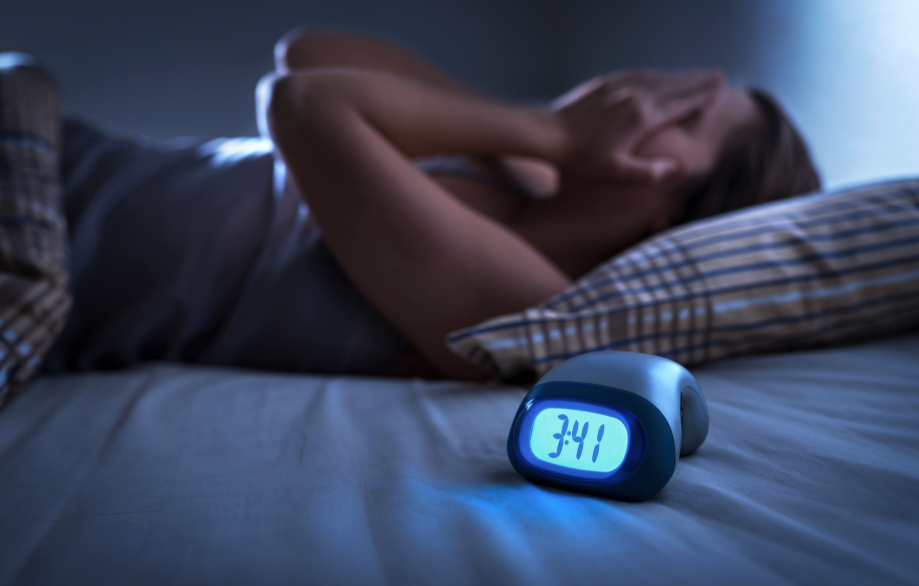
Sleep is essential for focus, mood, and overall health, yet many people with ADHD struggle to get the rest they need. One factor that may contribute to these difficulties is sleep apnea, a condition characterized by pauses in breathing during sleep. Research shows that children and adults with ADHD are more likely to experience sleep problems, including obstructive sleep apnea, and these disruptions can further exacerbate ADHD symptoms. Understanding the connection between ADHD and sleep apnea is an important step in improving both sleep quality and daily functioning.
How ADHD and Sleep Apnea Are Connected
ADHD and sleep disorders share several overlapping symptoms, which can make it challenging to identify the root cause. Sleep apnea can lead to daytime fatigue, irritability, difficulty concentrating, and hyperactivity—all traits commonly associated with ADHD. In some cases, undiagnosed sleep apnea may even be mistaken for ADHD in children, as behavioral symptoms increase when the brain is not well-rested.
For adults, poor sleep from sleep apnea can worsen executive function, memory, and mood regulation, making it harder to manage work, family responsibilities, and daily routines. Identifying and treating sleep apnea can help reduce these challenges and improve overall quality of life.
Signs to Watch For
Common signs of sleep apnea include loud or frequent snoring, gasping or choking during sleep, restless nights, and excessive daytime sleepiness. Children may also experience bedwetting, hyperactivity, or difficulty waking up in the morning. If you or your child with ADHD show these symptoms, it’s important to discuss them with a healthcare provider. Early screening and diagnosis can help prevent long-term complications and support better management of ADHD symptoms.
Seeking Diagnosis and Treatment
A proper diagnosis typically involves a sleep study, which can be conducted in a clinic or sometimes at home. Once diagnosed, treatment options vary based on the severity of the condition and may include lifestyle changes, positional therapy, continuous positive airway pressure (CPAP), or oral appliances. Dental professionals who specialize in sleep dentistry can play a key role in evaluating and providing non-invasive treatment options for mild to moderate sleep apnea.
Managing sleep apnea can lead to improvements in mood, focus, and behavior for both children and adults. It also reduces the risk of long-term health issues, such as high blood pressure, heart disease, and metabolic problems. For families affected by ADHD, addressing sleep quality can be a game-changer in creating a calmer, more focused environment at home and school.
Recognizing the link between ADHD and sleep apnea is the first step toward better sleep and improved daily functioning. If you or a loved one struggles to get a restful night, consider talking to a healthcare professional about screening and treatment options.
About the Practice
Beck Dental Care is committed to helping patients achieve optimal oral and overall health. The team, led by sleep apnea experienced dentists, provides comprehensive care, including preventive dentistry and solutions for sleep-related dental concerns. Our patient-focused approach emphasizes comfort, education, and modern technology to support healthy habits and quality sleep for patients of all ages.
Call us at (931) 416-3698 or schedule your appointment online.